Accumulator Amplification Through Tool Integration and Tiered Incentive Structures
Yves Berger · Jul 22, 2026

Accumulator Amplification Through Tool Integration and Tiered Incentive Structures
Accumulator outcomes gain measurable lifts when bettors align digital comparison platforms with structured promotion layers, and data from mid-2026 illustrates steady adoption of these combined approaches across several markets. Operators release fresh incentive tiers each month, while comparison sites update real-time odds feeds that allow precise matching of available boosts to specific multi-leg selections.
Core Mechanics of Tool and Promotion Alignment
Comparison platforms aggregate odds from multiple operators in one view, and users apply filters that isolate enhanced accumulator lines before committing funds. Layered promotions typically combine an initial deposit match, followed by a free bet token and then an accumulator-specific boost that multiplies returns on three-leg or longer selections. Those who sequence the tools correctly can route each promotion tier through the comparison interface to verify which operator supplies the highest effective payout once all incentives stack.
Figures released in July 2026 by the Nevada Gaming Control Board showed remote betting handle rising 7 percent month-over-month, with accumulator products accounting for a growing share of that volume. Operators in that jurisdiction introduced new cross-product boost bundles during the same period, creating fresh opportunities for comparison-driven stacking.
Practical Sequencing Observed in Live Markets
Bettors begin by loading an accumulator builder on the comparison site, after which they toggle between available operators to locate the strongest base odds for each leg. Once the skeleton is set, the same interface displays which layered promotion applies to that exact combination. A deposit match might cover the initial stake, a separate free bet token can hedge one leg, and an accumulator boost then scales the final payout without requiring additional capital.
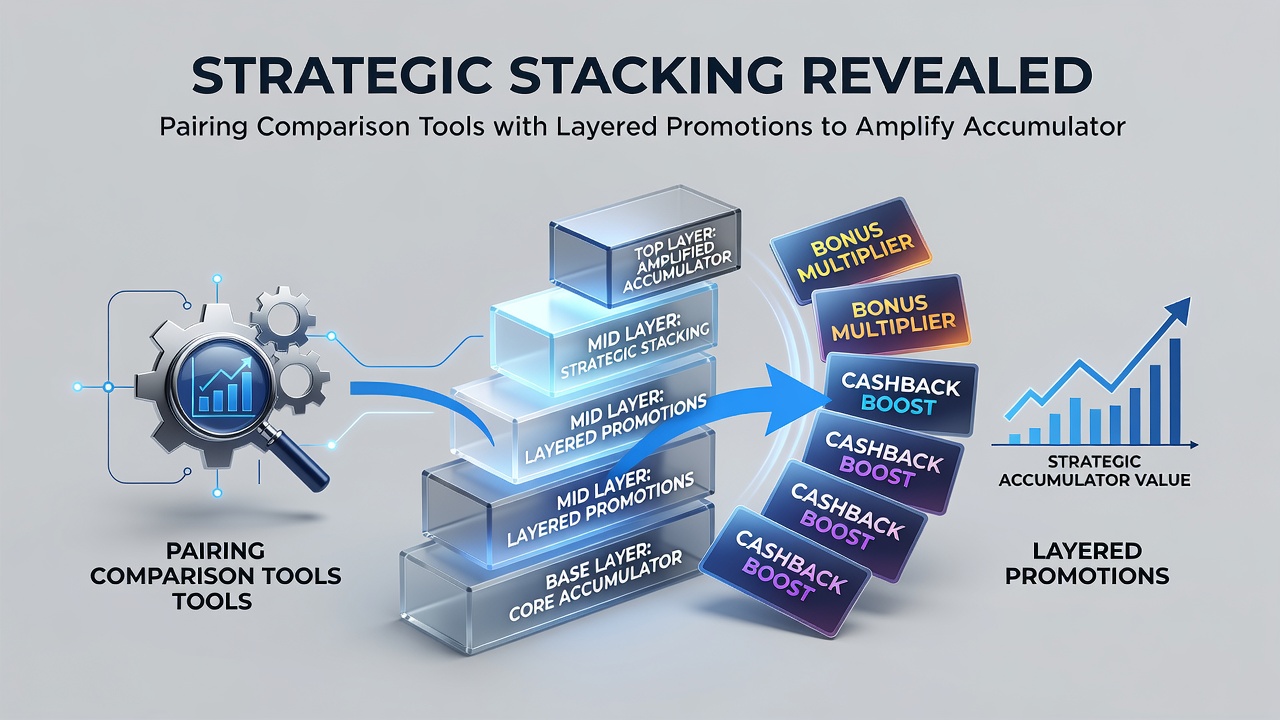
One documented pattern involves routing the free bet token through an operator that offers the highest odds on the final leg, while the accumulator boost from a second operator multiplies the entire ticket. Comparison tools flag these mismatches automatically, reducing manual cross-checking time. Research published by the University of Nevada Reno’s International Gaming Institute in early 2026 examined similar stacking sequences and recorded average payout uplifts between 12 and 19 percent when comparison data guided promotion selection.
Regulatory Context Across Jurisdictions
July 2026 also marked the first full quarter under updated disclosure rules from the Australian Communications and Media Authority, requiring operators to publish clear terms for stacked incentives. Those rules prompted several comparison platforms to add compliance filters that highlight only promotions meeting transparency standards. The resulting data feeds now include mandatory payout timelines and maximum stake caps, allowing users to model realistic accumulator returns before placement.
Industry associations such as the European Gaming and Betting Association have compiled operator-submitted statistics showing that 34 percent of accumulator volume in monitored markets during June 2026 carried at least two distinct promotions. When comparison tools were used to verify stacking eligibility beforehand, the proportion of completed bets meeting all bonus conditions rose to 61 percent.
Implementation Steps for Consistent Application
Users open the comparison dashboard and input their target legs, then activate the promotion overlay that lists every active incentive matching those selections. After confirming eligibility, they open separate operator accounts in parallel tabs to claim each layer in the required order. Deposit matches are typically claimed first, followed by free bet tokens and finally the accumulator boost applied at settlement. Automated alerts within leading comparison platforms now notify users when any layer expires or when stake limits change mid-sequence.
Operators continue to release new bundles each month, and comparison sites refresh their databases nightly to capture those updates. The process remains straightforward once the initial account setup and verification steps are complete, with most platforms requiring only standard KYC documentation before stacked promotions become active.
Conclusion
Pairing comparison tools with layered promotions produces measurable differences in accumulator returns when users follow documented sequencing patterns. Data from regulatory bodies and academic sources confirm increased adoption of these methods through July 2026, supported by clearer disclosure rules and improved platform features. Those who maintain verified accounts across multiple operators and consult updated comparison feeds can apply each incentive tier without overlap conflicts, resulting in the documented payout uplifts reported across monitored markets.