Charting Layered Incentive Flows from Entry Perks to Multiplier Adjustments in Regulated Markets
Theo Krüger · May 27, 2026
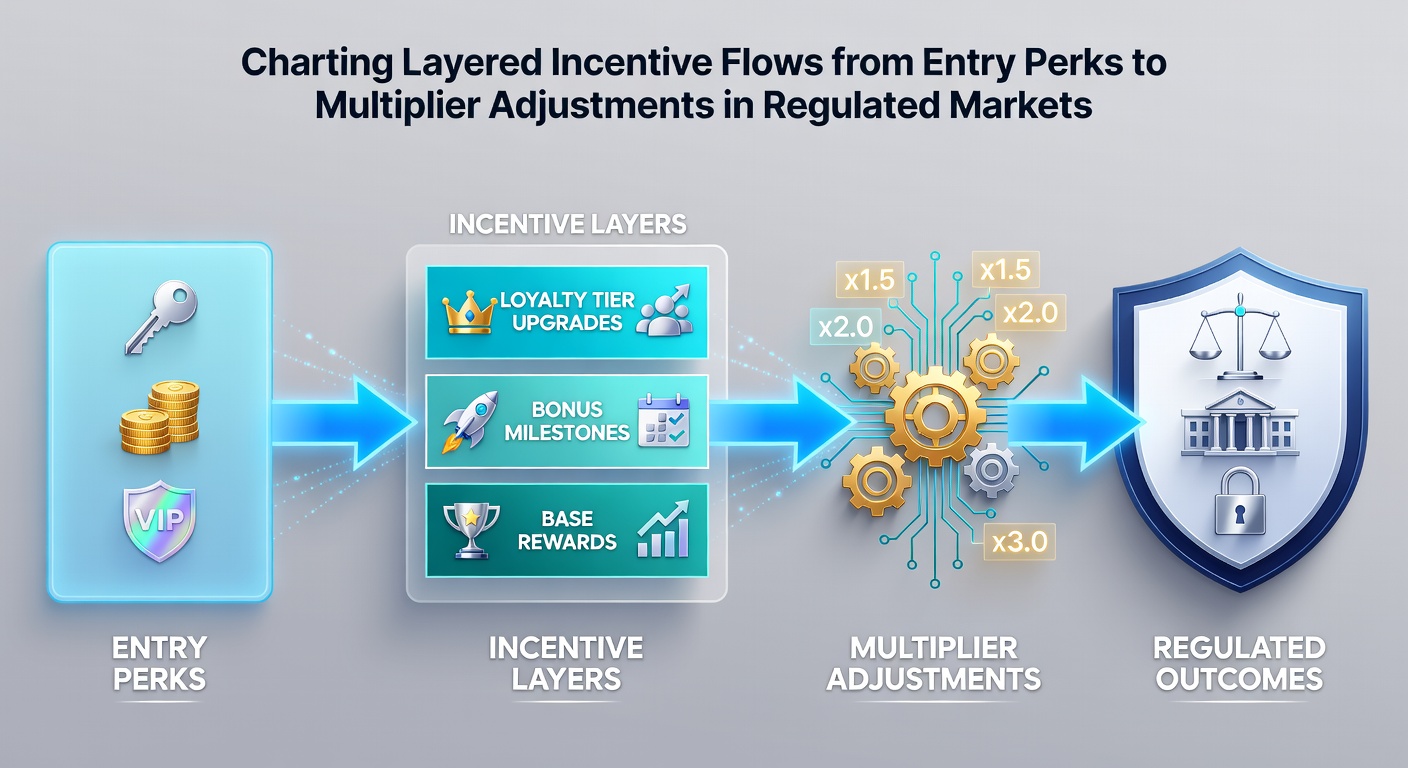
Mapping Incentive Pathways from Welcome Offers to Dynamic Adjustments in Controlled Markets
Regulated markets maintain structured systems where operators layer incentives that begin with straightforward entry perks and extend into sophisticated multiplier adjustments, allowing participants to progress through defined reward tiers while adhering to compliance frameworks. Data from multiple jurisdictions shows these flows operate through sequential stages, each tied to specific eligibility criteria and verification protocols that prevent unauthorized stacking. Entry perks typically include no-deposit credits or matched initial deposits that activate upon account creation and identity confirmation. These base offers establish the foundation, after which systems track user activity metrics such as wager volume and frequency to unlock subsequent layers. Operators in licensed environments apply automated monitoring tools that record each transaction, ensuring adjustments remain within predefined regulatory boundaries. As activity accumulates, platforms introduce multiplier mechanisms that scale potential returns on qualifying bets. These adjustments often link to accumulator products or live event selections, where the multiplier value increases proportionally to the number of legs included or the total stake amount. Research indicates that such progressions require users to meet minimum playthrough thresholds before higher tiers activate, creating a controlled escalation path documented in operator compliance reports.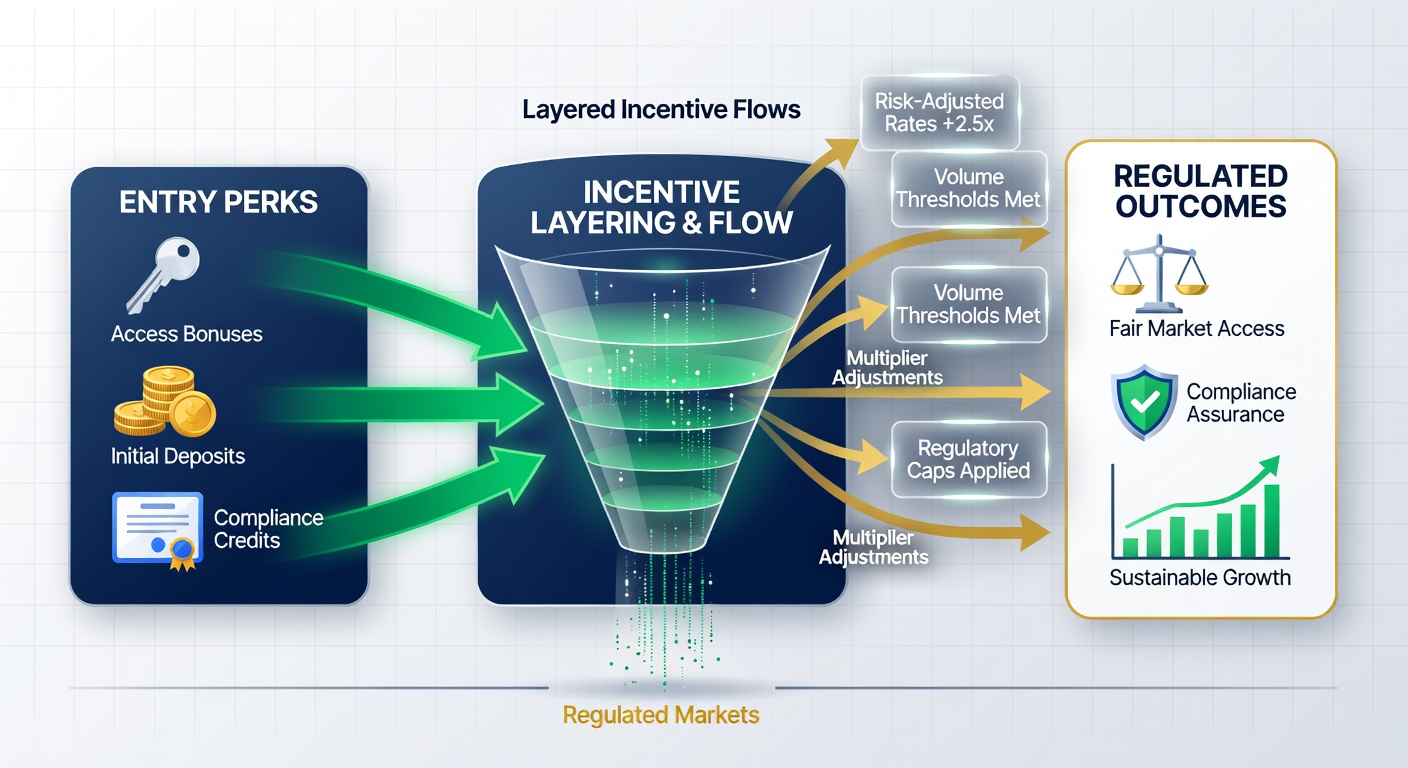 One study released by the National Council on Problem Gambling highlighted how layered structures in US state-regulated markets correlate with extended session durations when multipliers activate progressively. The report examined data from Nevada and New Jersey operators, noting that entry perks initiate participation while later adjustments sustain engagement through targeted event promotions.
Regulated markets maintain structured systems where operators layer incentives that begin with straightforward entry perks and extend into sophisticated multiplier adjustments, allowing participants to progress through defined reward tiers while adhering to compliance frameworks. Data from multiple jurisdictions shows these flows operate through sequential stages, each tied to specific eligibility criteria and verification protocols that prevent unauthorized stacking. Entry perks typically include no-deposit credits or matched initial deposits that activate upon account creation and identity confirmation. These base offers establish the foundation, after which systems track user activity metrics such as wager volume and frequency to unlock subsequent layers. Operators in licensed environments apply automated monitoring tools that record each transaction, ensuring adjustments remain within predefined regulatory boundaries. As activity accumulates, platforms introduce multiplier mechanisms that scale potential returns on qualifying bets. These adjustments often link to accumulator products or live event selections, where the multiplier value increases proportionally to the number of legs included or the total stake amount. Research indicates that such progressions require users to meet minimum playthrough thresholds before higher tiers activate, creating a controlled escalation path documented in operator compliance reports.Sequential Stages in Incentive Layering
The progression follows observable patterns across licensed operators. Initial entry perks grant immediate access to small credit balances, which then convert into enhanced odds opportunities once certain volume targets are reached. Multiplier adjustments occur at later stages, where base odds receive incremental uplifts based on accumulated loyalty points or consecutive participation periods. - Entry stage: Users receive fixed credits or deposit matches verified through standard KYC processes. - Intermediate stage: Activity tracking triggers odds enhancements on selected markets, with limits applied to prevent excessive aggregation. - Advanced stage: Multipliers apply to complex bet structures, calculated through algorithmic formulas that reference prior performance data. Operators document these transitions in user-facing terms, specifying exact conversion rates and expiry conditions that govern each layer. Figures from industry analyses reveal that progression rates vary by market, with higher retention observed when thresholds align closely with average user behavior patterns.Regulatory Oversight Across Jurisdictions
Different regions enforce distinct rules that shape how incentive flows develop. In Australian markets, state-level gaming authorities require transparent disclosure of all multiplier calculations, ensuring adjustments reflect verifiable risk parameters rather than arbitrary uplifts. Canadian provincial regulators similarly mandate audit trails for every perk-to-multiplier transition, with annual reporting that quantifies total incentive distribution volumes. European frameworks outside the UK emphasize cross-border consistency in multiplier application, particularly for events spanning multiple territories. As of May 2026, several EU member states have implemented updated digital tracking standards that integrate real-time verification into incentive platforms, reducing discrepancies between advertised multipliers and actual payouts. These changes build on earlier directives that prioritized consumer protection metrics while permitting operators flexibility in tier design.
One study released by the National Council on Problem Gambling highlighted how layered structures in US state-regulated markets correlate with extended session durations when multipliers activate progressively. The report examined data from Nevada and New Jersey operators, noting that entry perks initiate participation while later adjustments sustain engagement through targeted event promotions.