Decoding Bonus Combinations That Maximize Returns on Multi-Leg Bets
Wendy Coleman · Jun 15, 2026
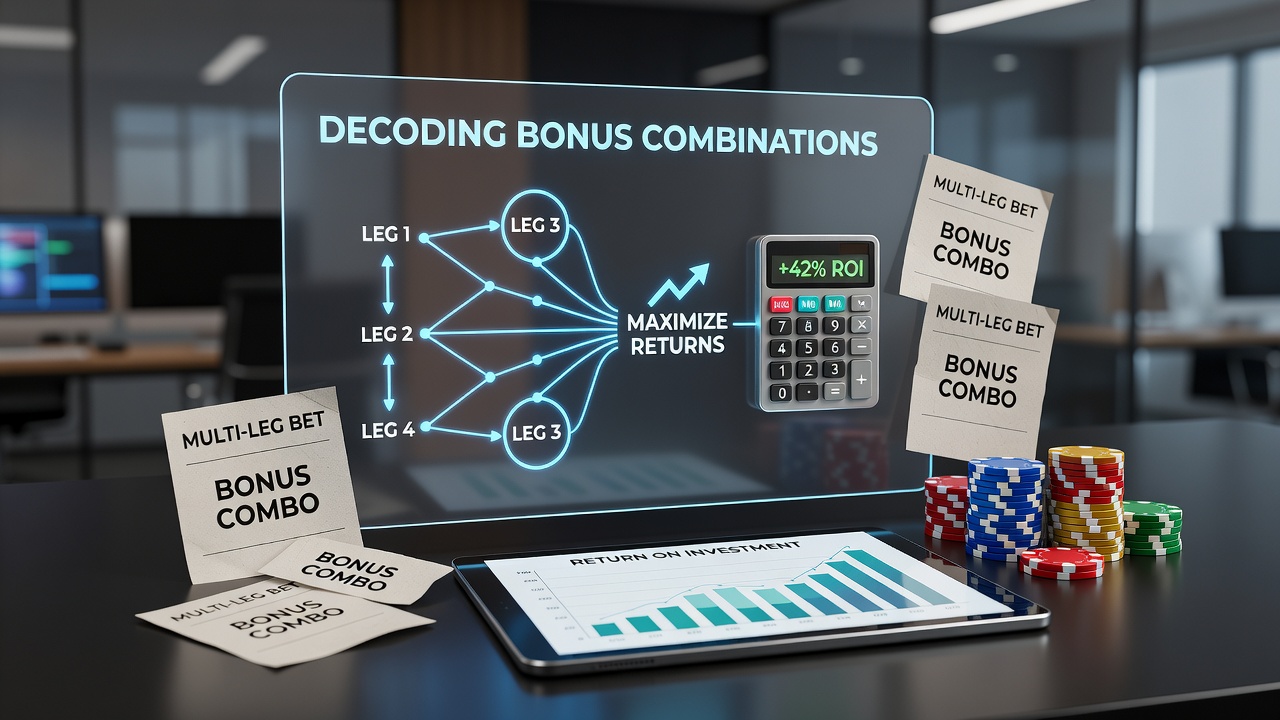
Decoding Bonus Combinations That Maximize Returns on Multi-Leg Bets
Multi-leg bets such as accumulators and parlays combine multiple selections into single wagers, and operators frequently attach specific promotions that alter their risk-reward profiles. Data from industry reports indicate these promotions include acca boosts, free bet tokens, enhanced odds, and cashback mechanisms that activate only when certain conditions align across legs. Observers note that successful punters examine each promotion's eligibility rules before placement because overlapping terms can either compound or cancel potential gains.
Core Mechanics of Multi-Leg Promotions
Accumulator boosts typically add a percentage uplift to the total odds once a minimum number of legs reaches a qualifying threshold, while free bet credits return stake value on losing selections under defined circumstances. Enhanced odds replace standard prices on individual legs with improved figures that apply only if the selection wins. Research from the Responsible Gambling Council shows these mechanics operate independently in most jurisdictions yet share common restrictions around minimum odds per leg and maximum payout caps that limit overall exposure.
Operators publish terms that specify whether boosts stack with free bet returns or remain mutually exclusive. Those who review the fine print discover that some platforms permit simultaneous use of an acca boost and a no-deposit free bet on the same ticket whereas others require sequential application across separate wagers. June 2026 regulatory filings from multiple regions reveal operators have tightened stacking rules following increased volume in multi-leg products.
Layering Strategies Backed by Available Data
One documented approach begins with identifying selections that qualify for enhanced odds, then adding those legs to an accumulator that meets the threshold for an automatic boost. The resulting ticket can later incorporate a free bet token if the operator's system allows the credit to offset any losing leg without voiding the boost. Figures from the European Gaming and Betting Association indicate average return uplifts of 15 to 35 percent when such layering succeeds within platform limits.
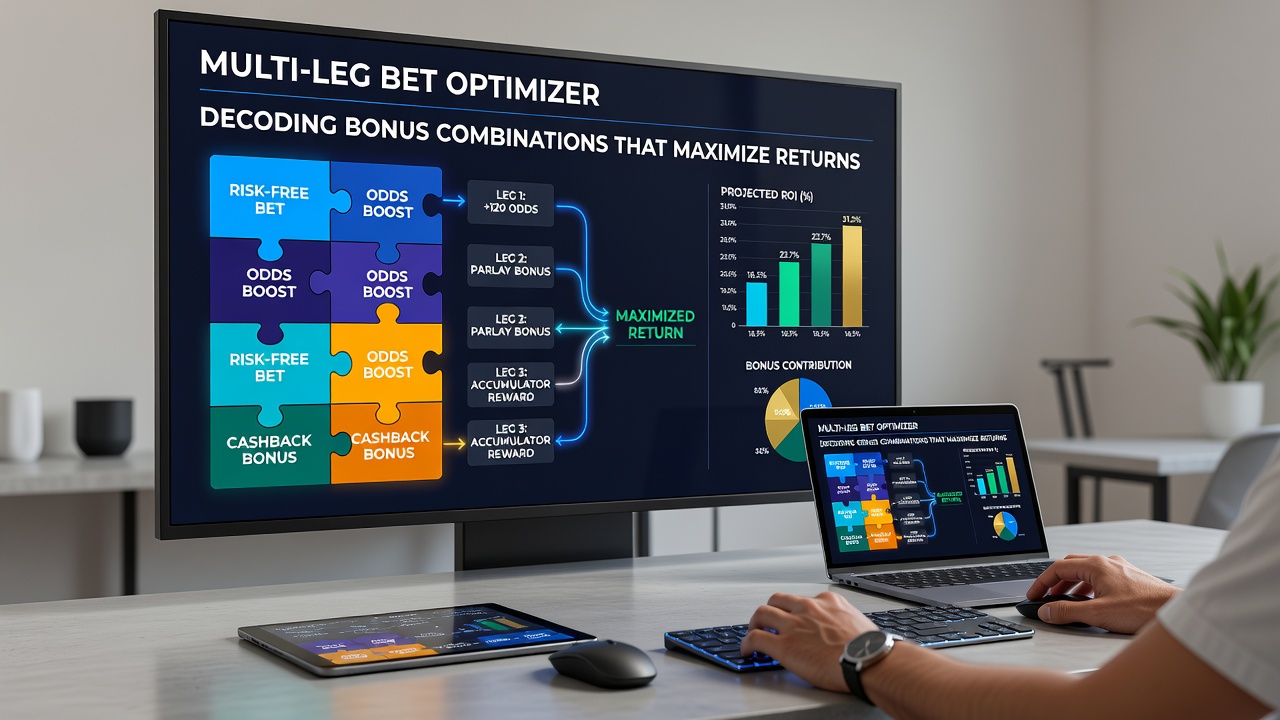
Another sequence uses cashback promotions that refund a percentage of net losses across a round of multi-leg bets. Punters who apply the cashback credit as additional stake on a subsequent boosted accumulator create a secondary layer of coverage. Pennsylvania Gaming Control Board records from early 2026 document rising participation in such rebate-driven sequences during periods when sports calendars feature clustered fixtures.
Constraints and Platform Variations
Each operator enforces distinct maximum bonus amounts and settlement windows that affect how quickly layered returns materialize. Some systems settle enhanced odds payouts before processing boost calculations while others bundle all adjustments into a single final figure. Those monitoring June 2026 market updates note several platforms introduced new minimum leg requirements that reduced the frequency of successful stacking combinations.
Cross-border operators sometimes apply different rule sets depending on user location, creating additional variables for travelers or multi-account users. Academic analyses of betting behavior published through university research portals highlight that transparency around these variations correlates with lower dispute rates among frequent multi-leg participants.
Practical Application Examples
Take a five-leg football accumulator where two legs carry enhanced odds offers. Once the ticket clears the four-leg minimum for an acca boost, the combined uplift reaches the advertised percentage without triggering exclusion clauses. If a free bet token remains available, operators may permit its use on a follow-up ticket constructed from the same event pool provided no overlapping stake rules apply.
Another scenario involves pairing a cashback promotion active during a specific tournament window with a rolling accumulator boost. The cashback amount funds an additional leg that itself qualifies for enhanced odds, thereby extending the chain while staying within published terms. Data released by regional gaming authorities show these patterns appear most often when fixture density increases, as seen in mid-2026 schedules.
Conclusion
Effective decoding of bonus combinations requires systematic comparison of each promotion's activation criteria against the structure of a planned multi-leg ticket. Available industry data and regulatory filings confirm that stacking succeeds only when operators explicitly permit simultaneous activation and when payout caps do not neutralize the layered advantage. Continued monitoring of platform updates remains essential as operators refine these offers in response to participation trends observed through 2026.