Decoding Modern Betting Rewards: How Data Aggregators and Stacked Promotions Enhance Accumulator Plays
Katja Baumann · Jun 13, 2026
Decoding Modern Betting Rewards: How Data Aggregators and Stacked Promotions Enhance Accumulator Plays
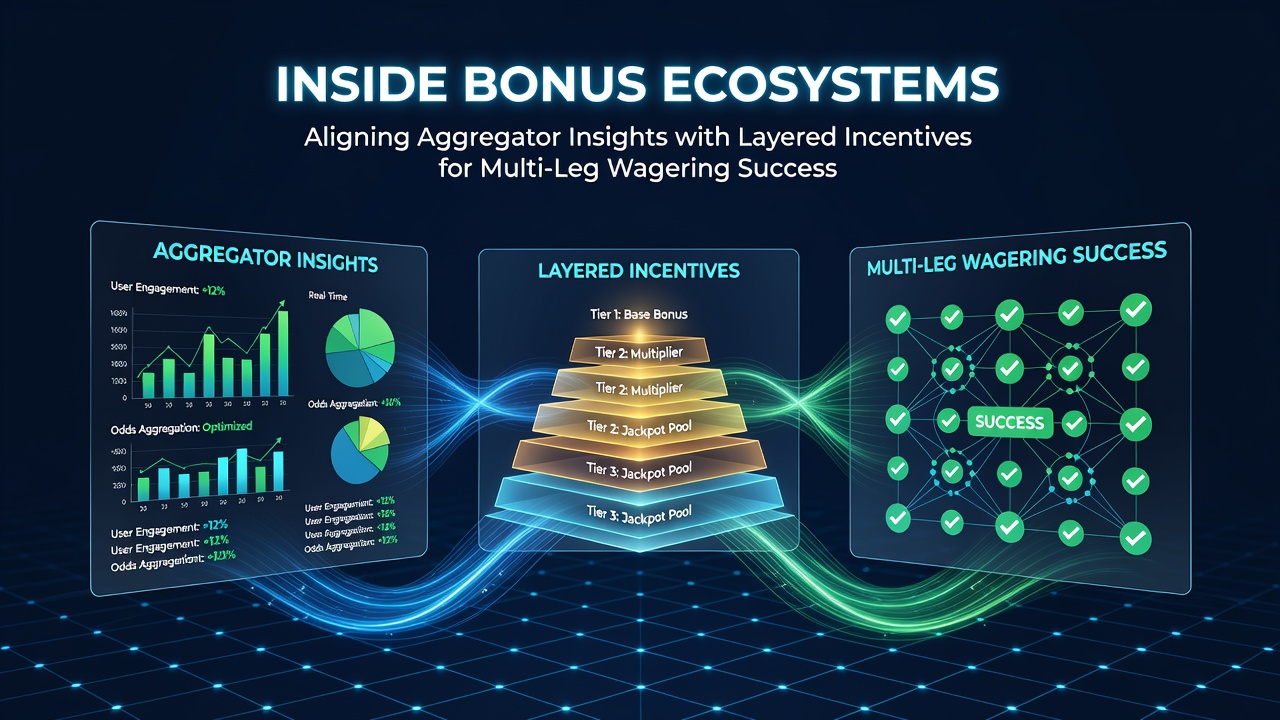
Bonus ecosystems in online wagering operate through interconnected systems where aggregator platforms compile real-time data on promotions across multiple operators, allowing users to identify overlapping incentives that align with multi-leg betting structures such as accumulators. These systems function by pulling information on free bets, odds boosts, and insurance offers then matching them against specific wager types that involve several outcomes in sequence. Aggregators process this data through algorithms that flag combinations where one promotion can offset risks in another leg of the bet, creating layered opportunities that extend across different events or markets.
Aggregator Platforms and Data Integration
Aggregators gather details from various bookmakers by monitoring promotional terms, eligibility rules, and payout structures in June 2026, when seasonal sports calendars expand and new accumulator markets appear in football and tennis. This integration reveals patterns where certain free bet credits apply only to specific bet builders, while odds enhancements stack on top of accumulator insurance that refunds stakes on near-miss outcomes. Data from these platforms shows operators releasing targeted incentives during periods of high fixture volume, with the result that users who cross-reference multiple sources can construct wagers where initial stake recovery mechanisms activate if early legs fail.
Layered Incentive Structures
Layered incentives build upon each other through sequential application rules that permit one bonus type to feed into the next without immediate exclusion clauses. For instance, a no-deposit reward might convert into a matched free bet that then qualifies for an accumulator boost when placed on four or more selections, and that same wager could gain insurance coverage if the total odds exceed a defined threshold. Observers note that these layers depend on precise timing because promotional windows often close within hours of major announcements, while eligibility requires accounts to meet minimum activity thresholds set by each operator. Research from the Australian Gambling Research Centre indicates that such stacking occurs most frequently in remote betting channels where digital tracking allows automatic verification of bonus conditions across separate platforms.
Multi-Leg Wagering Applications
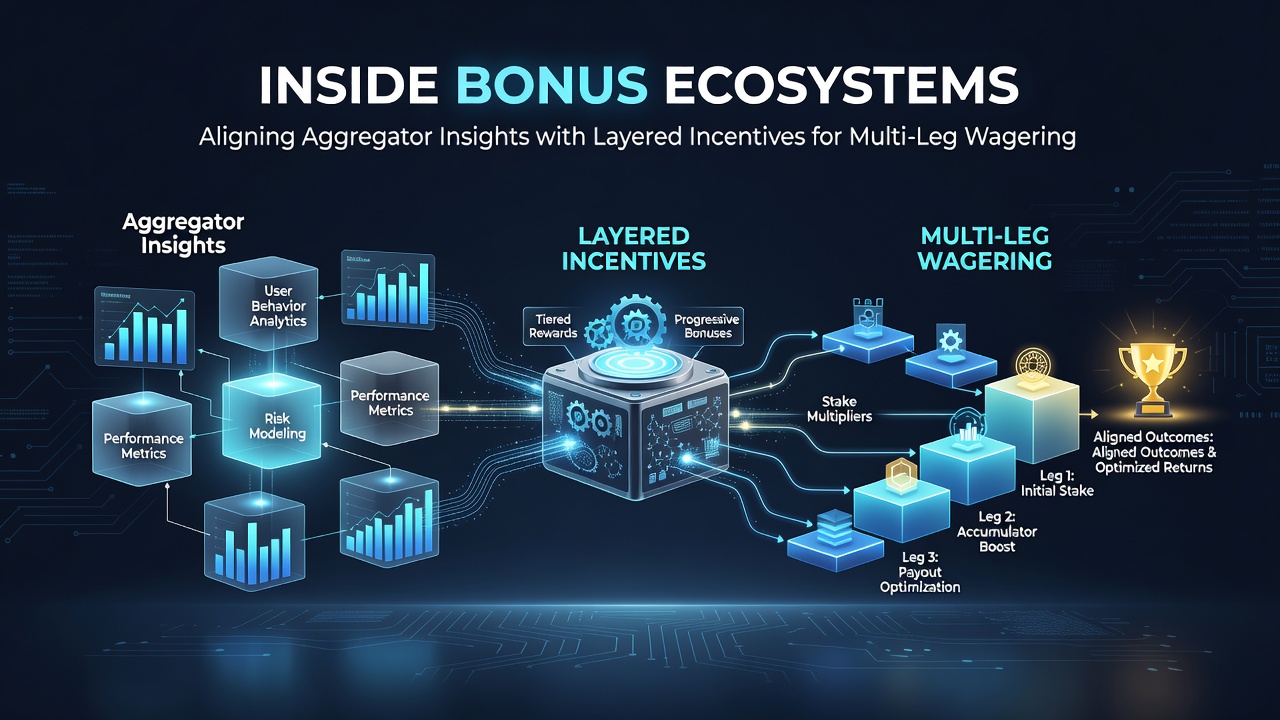
Multi-leg wagering benefits when aggregator insights highlight specific overlaps, such as pairing an enhanced odds offer on one market with a stake refund mechanism on another. In practice this means selecting events where the first three legs carry boosted returns and the final leg includes insurance that activates on partial success, thereby reducing overall exposure while maintaining potential returns. Figures from the Nevada Gaming Control Board reveal growth in accumulator-style products during 2025 and into mid-2026, with remote operators reporting increased usage of combined promotions that span multiple sportsbooks. Those who track these alignments through aggregator tools frequently identify windows where a single deposit unlocks several concurrent incentives, each applying to different stages of the same multi-leg sequence.
Operational Mechanics and Timing
Operational mechanics require users to verify each incentive's terms before placement because stacking rules vary by jurisdiction and operator policy. Aggregators streamline this verification by displaying side-by-side comparisons that flag conflicts, such as when one bonus voids another if both are claimed on the same selection. In June 2026 the expansion of live betting markets created additional layers where in-play adjustments could trigger secondary promotions mid-wager, allowing partial accumulators to gain fresh boosts or refunds. Data indicates that successful alignment depends on monitoring account balances and bonus wallets in real time, since credits often carry expiration dates that must align with the settlement schedule of the longest leg in a multi-event bet.
Case Examples from Aggregator Outputs
One documented pattern involves combining a deposit match with an accumulator insurance product where the insurance applies only after the first two legs settle successfully. Aggregator dashboards display these sequences as flow charts that mark each required step, including minimum odds thresholds and maximum payout caps. Another example shows free bet tokens earned from earlier activity being applied to the final leg of a five-selection wager that already carries an odds enhancement from a separate operator. These configurations emerge most clearly when data sources update hourly, capturing changes in promotional availability across different regions and time zones.
Conclusion
Bonus ecosystems continue to evolve through tighter integration between aggregator data feeds and operator incentive designs, producing structured opportunities for multi-leg wagering that rely on precise alignment of terms and timing. The patterns observed in 2026 demonstrate how layered applications can extend across multiple accounts and markets when users follow the verification steps outlined in aggregator outputs. Regulatory data from multiple jurisdictions confirms ongoing expansion in these remote channels, with the result that accumulator strategies increasingly incorporate cross-platform incentives as standard components rather than isolated add-ons.