Integrating No-Deposit Rewards with Accumulator Protections During Peak Event Seasons
Yves Berger · Jun 22, 2026
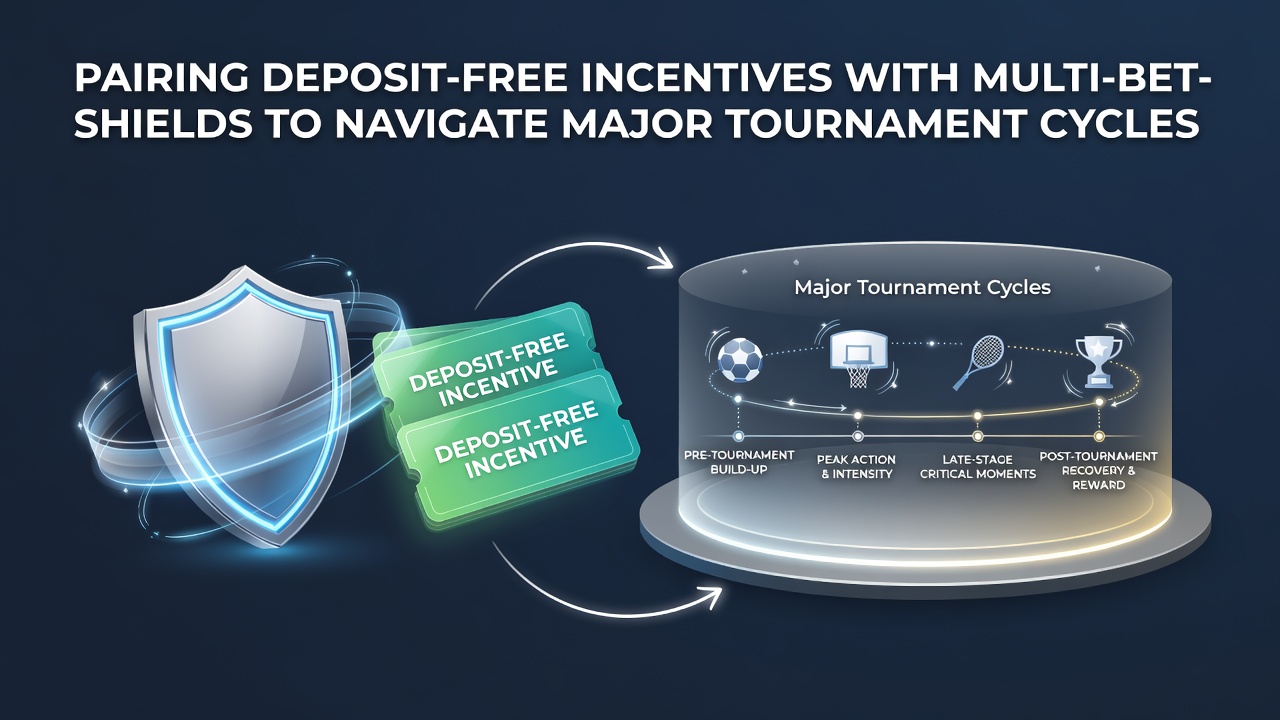
Integrating No-Deposit Rewards with Accumulator Protections During Peak Event Seasons
Data from major sporting calendars indicates that operators frequently align no-deposit incentives with multi-bet shields when large tournaments approach, and this combination allows punters to structure accumulators while limiting exposure on additional legs. Observers note that deposit-free offers typically credit small stakes or bonus funds upon registration, whereas shields refund portions of stakes if an accumulator falls short by one selection, and together these mechanics create layered entry points for extended tournament cycles.
June 2026 marks the opening phase of the FIFA World Cup, and historical patterns show elevated handle volumes across football markets during such windows, which prompts platforms to activate these paired promotions ahead of the first matches. Research indicates that punters who combine the two tools often maintain longer sequences of bets across group stages and knockout rounds because the shield component recovers value on near-miss accumulators while the deposit-free element reduces initial capital commitment.
How Deposit-Free Incentives Function in Tournament Contexts
Platforms issue no-deposit rewards through straightforward verification steps, and these credits appear in accounts without requiring an initial transfer, which lets users test accumulator formats immediately. Figures from industry tracking services reveal that such offers commonly carry wagering requirements between 10x and 30x, yet during tournament periods the requirements sometimes align with specific match outcomes to encourage sustained participation across multiple fixtures. Those who study player behavior report that recipients often allocate the free stake toward shorter accumulators early in a tournament before scaling to longer chains once shields activate on subsequent days.
Mechanics of Multi-Bet Shields and Their Tournament Applications
Multi-bet shields operate by returning a percentage or fixed amount when an accumulator loses by a single leg, and this structure directly addresses the variance that arises when covering numerous tournament games in one slip. Operators activate these shields selectively around high-profile events because data shows accumulators on tournament matches attract higher volumes than regular season play. Experts observe that shield payouts frequently trigger during group stages when underdog results create widespread near-misses, allowing the same stake to be redeployed into later rounds without fresh deposits.
One documented case from a European operator's 2024 tournament campaign demonstrated that combining a £10 no-deposit credit with a 25% acca shield produced measurable retention lifts among users who would otherwise have paused after an early loss. Similar mechanics are expected to appear again in 2026 as platforms prepare for expanded fixture lists across multiple time zones.
Layering the Two Tools for Cycle Navigation

Punters who sequence the offers begin with the deposit-free stake on opening matches, then apply shields to subsequent accumulators once the initial credit has been deployed. This progression reduces the number of separate deposits required across a six-week tournament window, and platform analytics indicate that users following this path generate higher total handle while maintaining lower average loss rates per session. The approach also interacts with odds comparison tools, since protected accumulators can be constructed around enhanced prices that appear only during major events.
Regulatory filings from the Pennsylvania Gaming Control Board show that protected multi-bet products experienced increased uptake during the 2022 World Cup, and comparable patterns appear in Australian market reports compiled by the Victorian Commission for Gambling and Liquor Regulation. These records suggest the pairing extends engagement without requiring proportional increases in player deposits.
Operational Timing and Platform Adjustments
Operators typically announce shield activations two to three weeks before tournament starts, while no-deposit incentives often run on rolling 48-hour cycles to capture new registrations driven by opening-match coverage. This staggered release schedule lets users enter the ecosystem at different points in the cycle, and those who monitor terms find that some shields apply only to tournaments with at least 48 matches, which covers the World Cup group phase but excludes smaller events.
Technical integrations now allow shields to auto-apply across multiple sports within the same tournament window, so a punter can move from football accumulators to tennis or basketball legs without losing protection status. Data indicates this flexibility contributes to steadier engagement curves rather than sharp spikes followed by drop-offs after early eliminations.
Conclusion
The combination of deposit-free incentives and multi-bet shields supplies structured entry and recovery mechanisms that align with the extended duration of major tournaments. Records from multiple jurisdictions demonstrate measurable uptake during previous cycles, and preparations for June 2026 indicate platforms will deploy similar pairings once again. Users who track activation windows and requirement thresholds can allocate stakes across the full tournament arc while the paired tools manage downside exposure on individual accumulators.