Tracing Incentive Routes from No-Deposit Offers to Accumulator Upgrades
Theo Krüger · Jun 1, 2026
Tracing Incentive Routes from No-Deposit Offers to Accumulator Upgrades
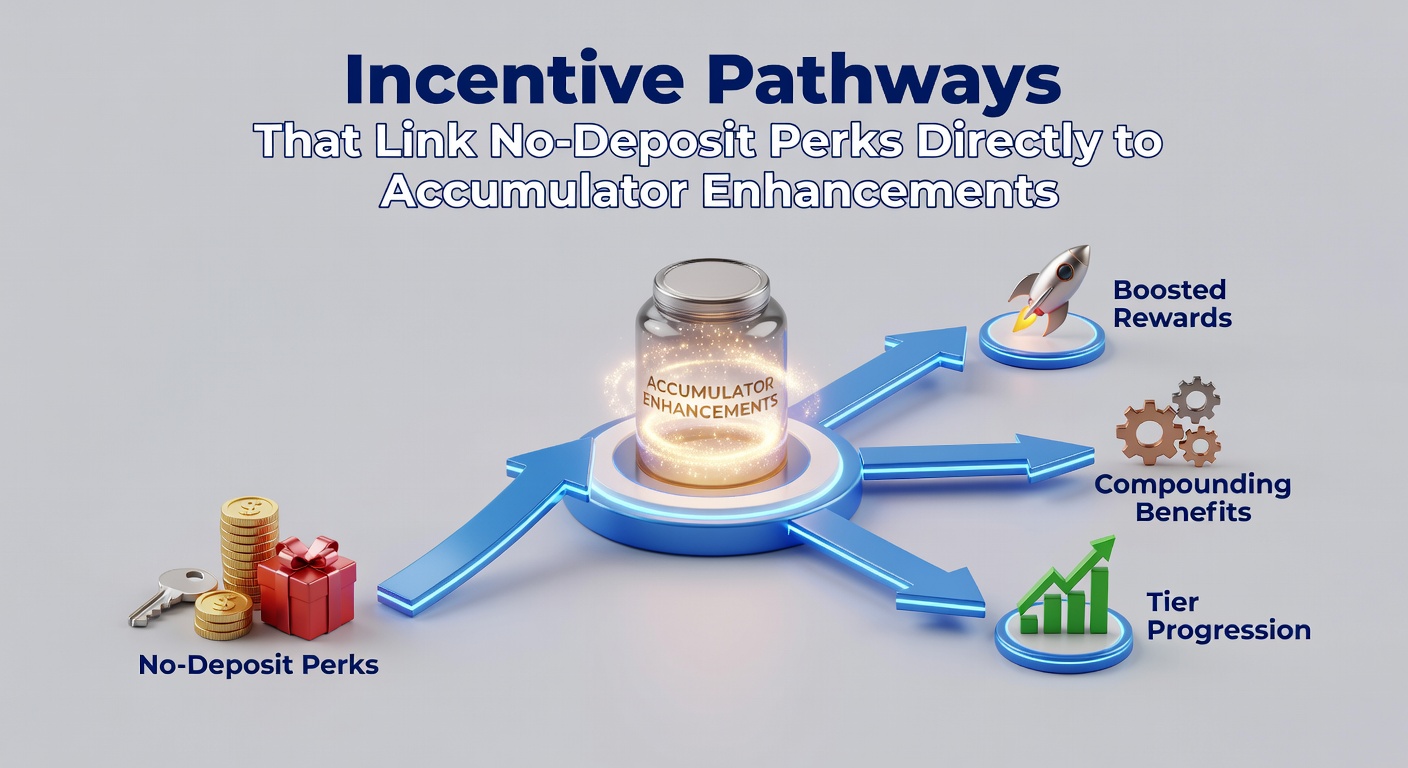
Platforms structure no-deposit perks so that initial credits convert into eligibility for accumulator enhancements through specific wagering sequences, and this process creates measurable pathways that operators track across multiple user accounts. Data from industry reports indicate these sequences often require a set number of selections in an accumulator before the enhanced odds activate, while the original perk amount serves as the entry point without any upfront payment from the user.
Structural Elements in Incentive Pathways
Operators design no-deposit credits to feed directly into accumulator systems by applying minimum stake thresholds that align with multi-leg bet requirements, and this alignment allows the credit value to contribute toward the total stake needed for boost activation. Research from regulatory bodies shows that in several jurisdictions the credit must be used on events with combined odds above a stated threshold before any enhancement multiplier applies to the final payout calculation.
One common sequence begins when a platform issues the no-deposit amount, followed by the user placing an accumulator that meets the selection count and total stake criteria listed in the terms, after which the system automatically applies the enhancement to qualifying legs. Figures from platform analytics reveal that conversion rates from initial credit use to enhanced accumulator completion vary by market, yet the pathway remains consistent across operators that link these features.
Qualification Mechanics and Sequence Tracking
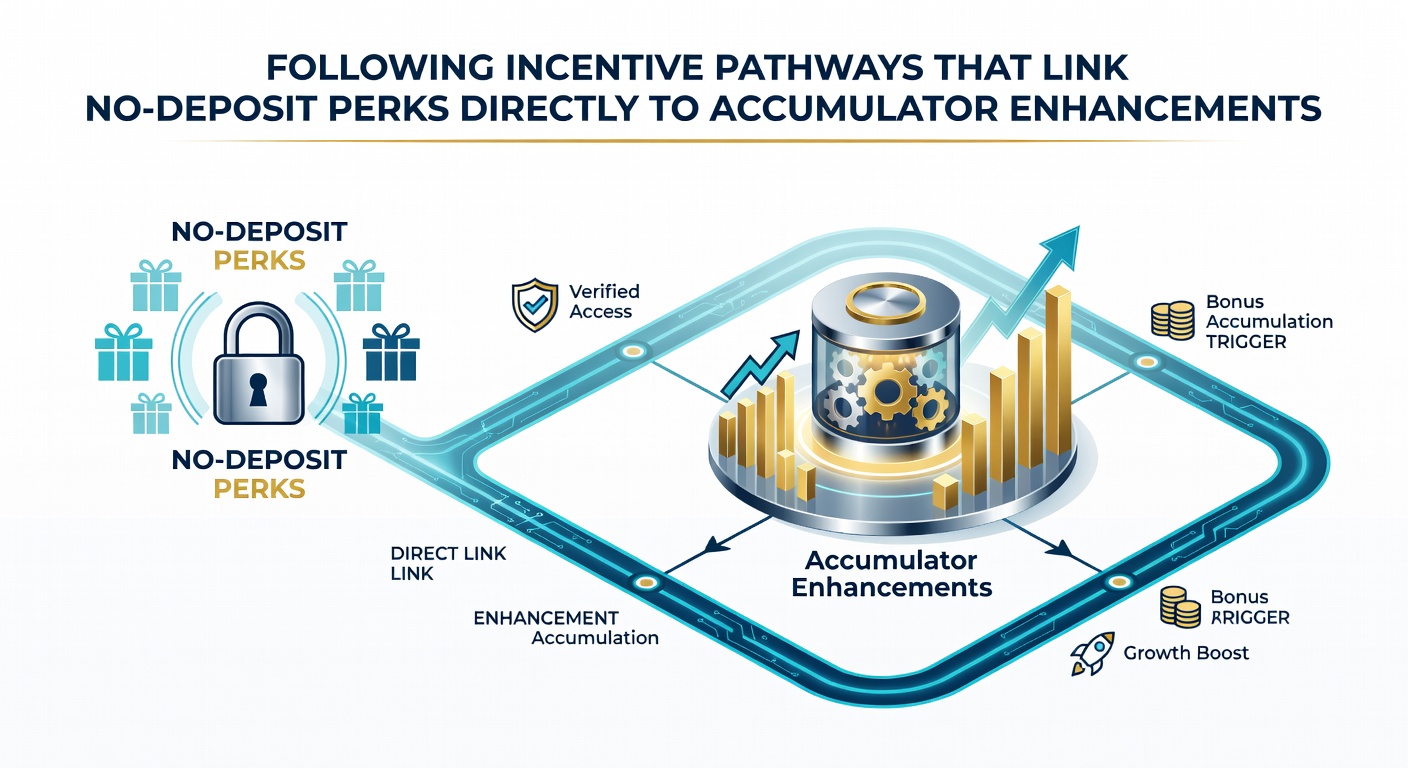
Users progress through defined stages where the no-deposit credit first satisfies a wagering multiple, then transitions into an accumulator format that triggers the enhancement layer once the required number of outcomes is selected. Observers note that platforms record each step in account logs, allowing the system to confirm that the original perk has been fully applied before releasing the accumulator boost on subsequent bets.
Take the case of a platform that requires the credit to be converted through three separate accumulator placements before the enhancement becomes available on a fourth bet, and this staged approach ensures the pathway moves from simple credit usage to more complex multi-leg structures. Studies from academic institutions in Canada have examined similar sequences and found that the timing between stages influences how quickly users reach the accumulator enhancement stage.
Regional Variations in Pathway Implementation
Markets outside the United Kingdom apply different rules to these incentive chains, with some requiring the no-deposit credit to be used exclusively on accumulator bets that include at least five legs before the enhancement multiplier engages. According to information from the Alcohol and Gaming Commission of Ontario, operators in that province must publish the exact conversion ratios so that users can follow the pathway without ambiguity in the terms.
Platforms in Australia follow guidelines from state regulators that tie no-deposit credits to accumulator enhancements only after the credit has funded bets with a minimum combined probability threshold, and this requirement creates an additional verification step in teh sequence. Data released in June 2026 from regional monitoring programs showed increased tracking of these pathways as operators refined their systems to meet updated compliance standards.
Technical Integration Between Perks and Enhancements
Backend systems connect the no-deposit credit balance to accumulator tools so that once the credit meets its usage target the enhancement option appears automatically in the bet slip interface. This integration relies on real-time balance checks that confirm the original perk has cleared its conditions before any multiplier adjustment occurs on the accumulator payout.
Platforms update these connections regularly to reflect changes in event availability, and the updates ensure that accumulator enhancements remain available only after the no-deposit sequence has been completed in full. Reports from industry associations indicate that such technical links reduce manual intervention and allow the pathway to function across desktop and mobile applications without interruption.
Conclusion
The documented pathways demonstrate how no-deposit perks serve as the starting point for accumulator enhancements through structured qualification steps that operators enforce across different regulatory environments. Continued monitoring by oversight bodies provides the data needed to understand how these sequences operate in practice and how they evolve with platform updates.